
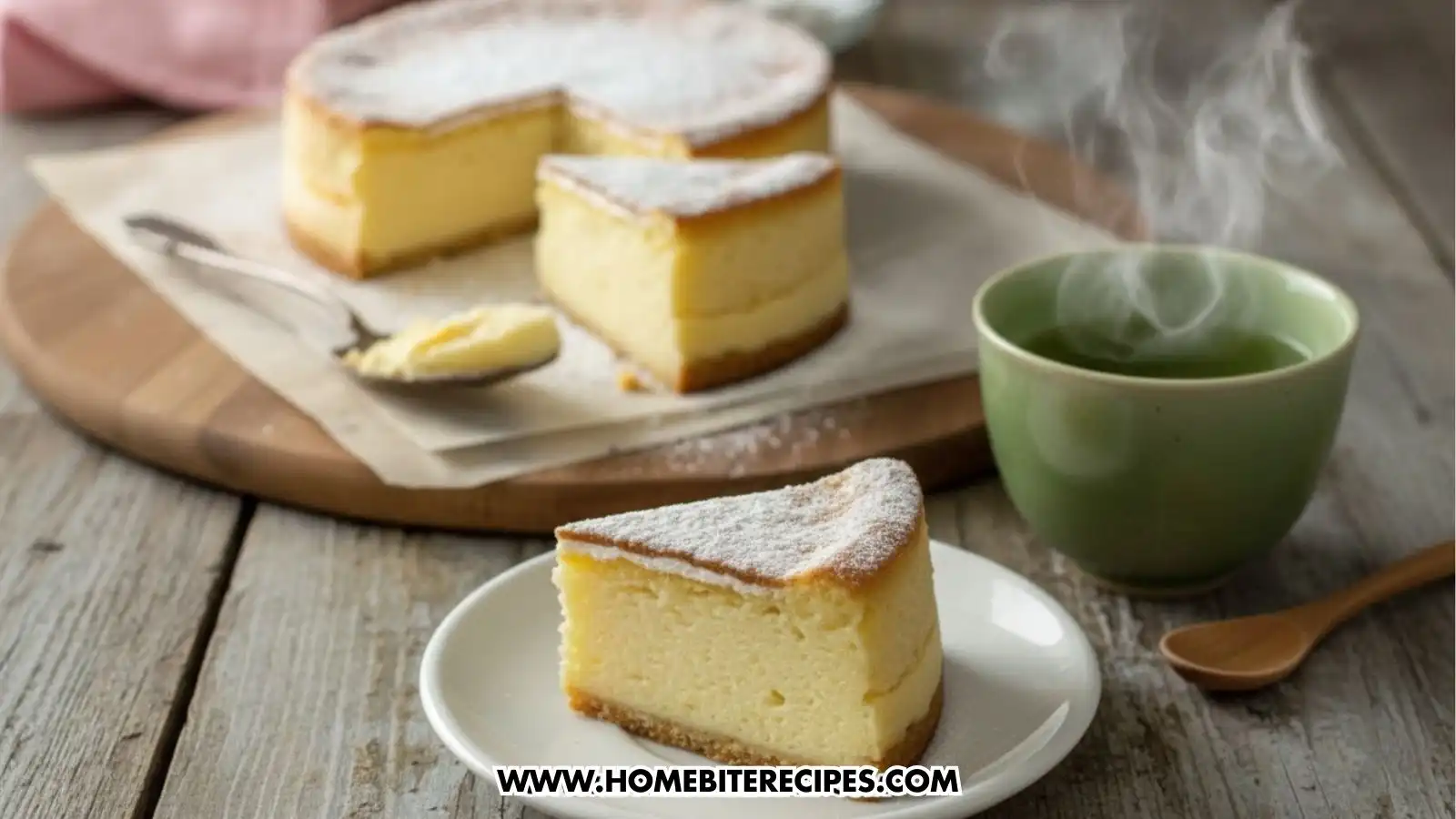
If you love desserts that feel like a soft cloud, this Fluffy Japanese Cheesecake is about to steal your heart. Light, airy, and delicately creamy, it’s the kind of treat that melts on your tongue and feels indulgent without being heavy.
Table of Contents
Why You’ll Love This Fluffy Japanese Cheesecake Recipe
- Incredibly light and airy with a melt-in-your-mouth texture
- Perfectly balanced sweetness that never feels heavy
- Made with simple pantry ingredients
- Looks bakery-worthy but is totally doable at home
- Ideal for celebrations, tea time, or a cozy weekend bake
✅ This recipe is suitable For:
- Vegetarian – Made without meat, fish, or gelatin, relying on eggs and dairy for structure and richness.
- Occasional Treat / Balanced Diet – Light in texture and portion-friendly, making it suitable for those enjoying desserts in moderation.
- Baking & Classic Dessert Diets – Ideal for traditional home baking and café-style dessert menus.
🚫 This recipe is not suitable For:
- Vegan – Contains eggs, butter, milk, and cream cheese.
- Dairy-Free – Uses multiple dairy ingredients that are essential to the texture.
- Egg-Free – Eggs are crucial for the airy, soufflé-like structure.
- Gluten-Free – Made with cake flour (unless modified with tested gluten-free alternatives).
- Low-Carb / Keto – Contains flour and sugar, which are not compatible with low-carb diets.
Diet Adaptation Notes
- A gluten-free version may be possible using a high-quality gluten-free flour blend, but the texture will be slightly less airy.
- Reduced-sugar adaptations can be made, though sugar plays a role in stabilizing the meringue and should not be drastically reduced.
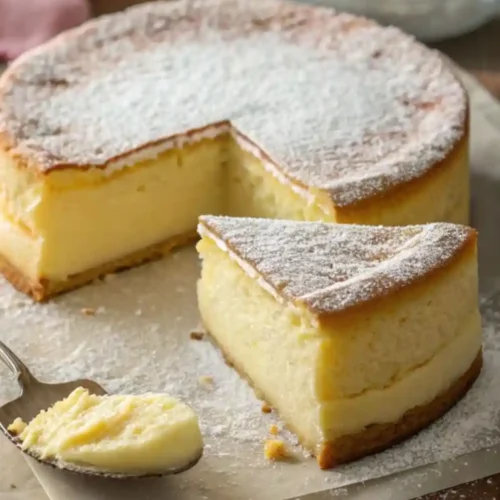
Fluffy Japanese Cheesecake – Light, Airy & Melt-In-Your-Mouth Dessert
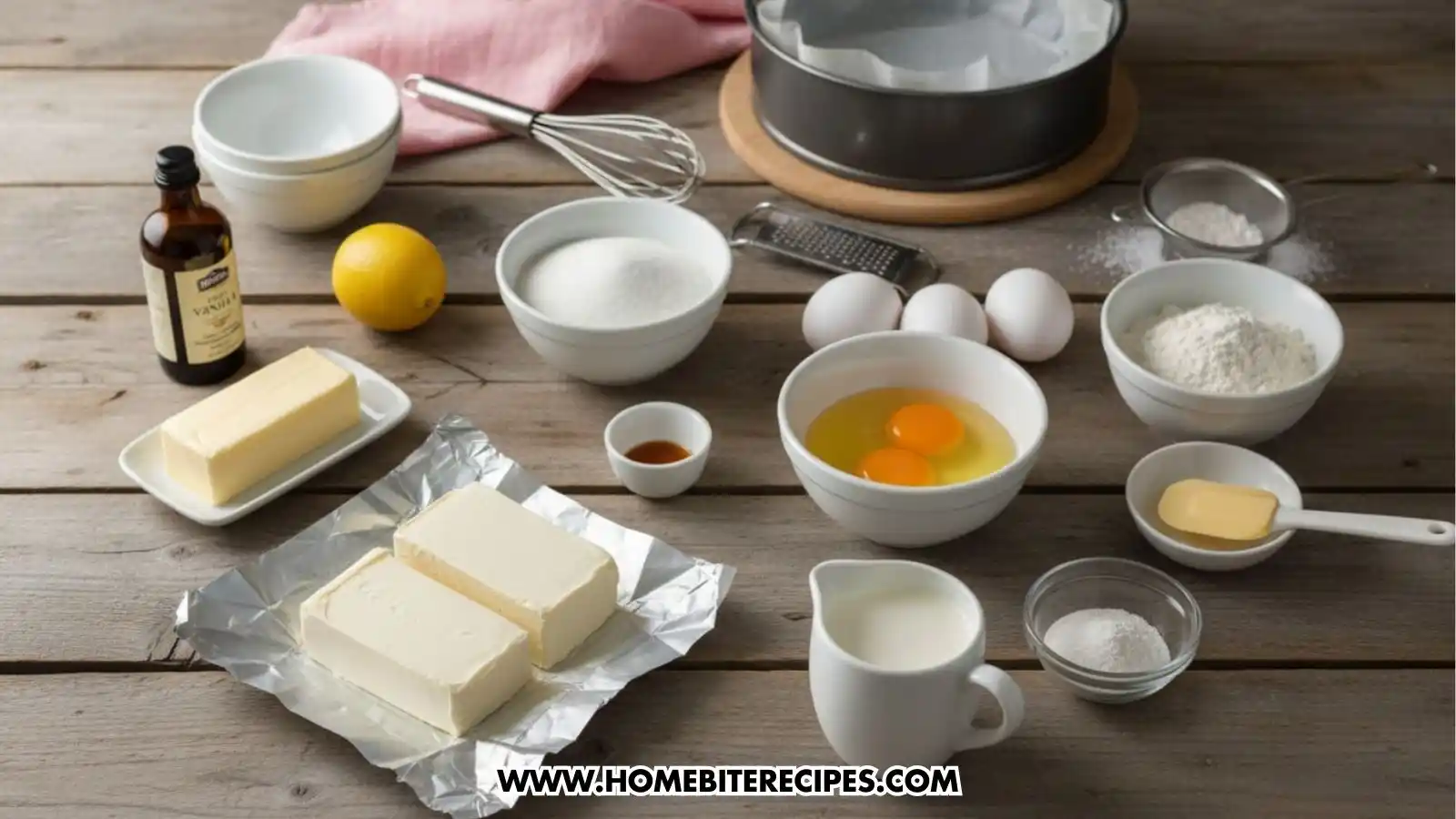
Ingredients
- 250 g cream cheese softened
- 50 g unsalted butter
- 100 ml milk
- 3 large eggs separated
- 70 g sugar for egg whites
- 30 g sugar for batter
- 60 g cake flour or sifted all-purpose flour
- 20 g cornstarch
- 1 tsp vanilla extract
- 1 tsp lemon juice
- Powdered sugar for dusting
Instructions
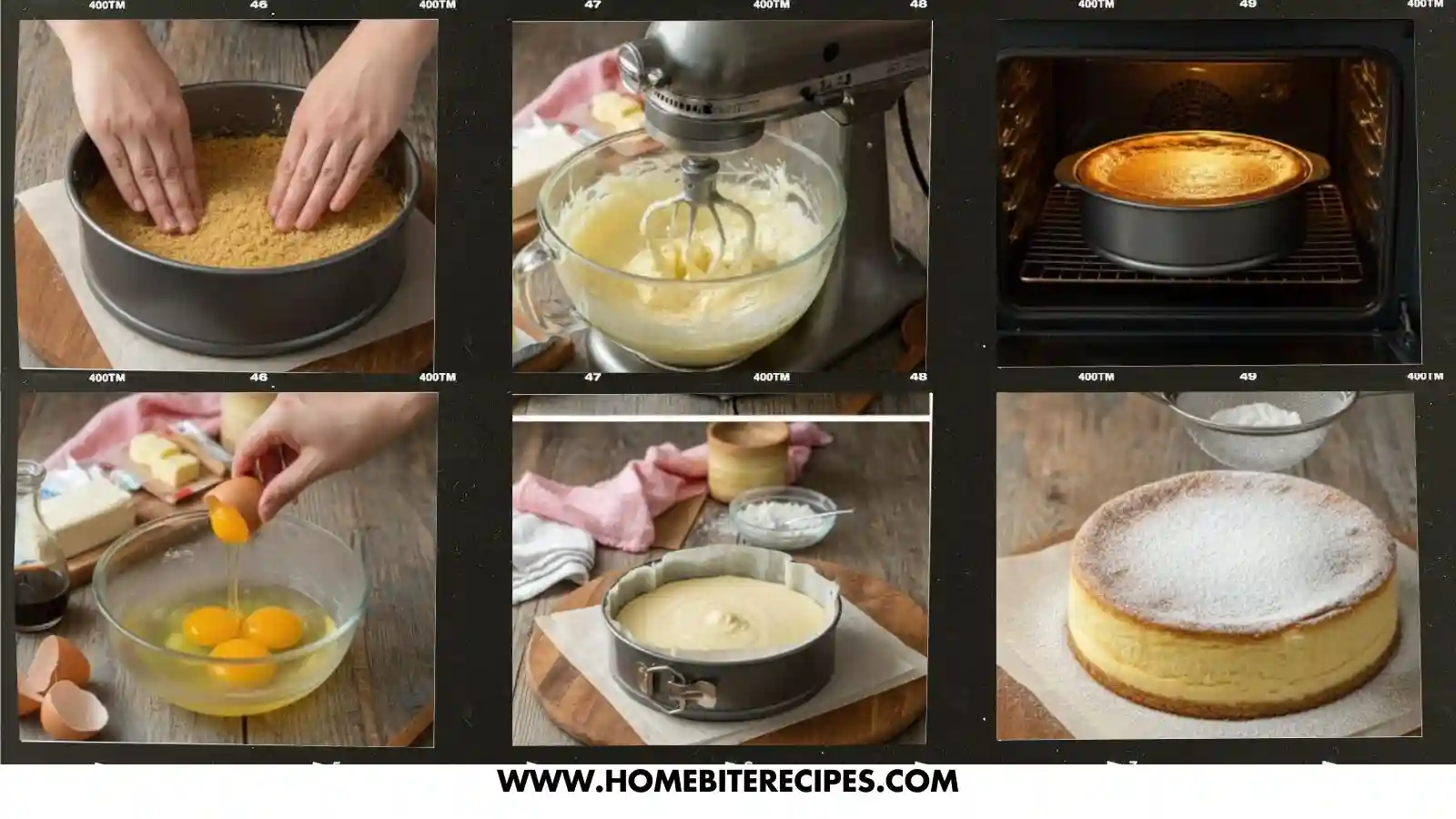
- Preheat oven to 160°C (320°F). Line a round cake pan with parchment paper.
- In a saucepan over low heat, melt the butter, cream cheese, and milk until smooth. Remove from heat and let cool slightly.
- Whisk egg yolks with 30 g sugar until pale and creamy. Stir in vanilla extract and lemon juice.
- Gradually mix the cream cheese mixture into the yolk mixture until smooth.
- Sift in cake flour and cornstarch, mixing gently until fully combined.
- In a clean bowl, beat egg whites while slowly adding 70 g sugar until soft, glossy peaks form.
- Fold the meringue into the batter in three additions, using gentle strokes to keep the mixture airy.
- Pour batter into the prepared pan and tap lightly to release air bubbles.
- Place the pan in a water bath and bake for 60 minutes. Reduce temperature to 150°C (300°F) and bake for another 20 minutes.
- Turn off the oven and leave the cheesecake inside for 15 minutes with the door slightly open.
- Remove, cool completely, then dust with powdered sugar before serving.
Notes
Substitutions:
- Use all-purpose flour if needed; sift twice for extra lightness.
Flavor Variations:
- Matcha: Add 1 tablespoon matcha powder.
- Lemon: Add extra lemon zest for brightness.
- Chocolate: Replace 1 tablespoon flour with cocoa powder.
Optional Add-Ons:
- Fresh berries
- Light whipped cream
- A drizzle of honey
Storage:
- Store in the refrigerator for 3–4 days in an airtight container.
- Freeze tightly wrapped slices for up to 2 months.
Perfect Pairings: What to Serve with this Fluffy Japanese Cheesecake
This light and airy Japanese cheesecake pairs beautifully with fresh fruit, which enhances its delicate sweetness without overpowering it. A simple bowl of strawberries, raspberries, or blueberries adds a refreshing contrast and a pop of color on the plate. Lightly macerating the berries with a touch of sugar and lemon juice can elevate the presentation while keeping the dessert elegant and balanced.
For a more indulgent yet still refined option, serve the cheesecake with a soft whipped cream or lightly sweetened mascarpone cream. The creamy texture complements the cake’s cloud-like crumb without weighing it down. A gentle drizzle of honey or a dusting of powdered sugar on top keeps the flavors clean and understated.
When it comes to beverages, tea is a natural match. Green tea, jasmine tea, or a mild black tea cuts through the richness and highlights the cheesecake’s subtle vanilla and lemon notes. These teas make the dessert perfect for afternoon gatherings or relaxed weekend baking sessions.
If serving this cheesecake after a meal, a simple coffee pairing works wonderfully. A smooth latte, cappuccino, or even a lightly brewed coffee balances the sweetness and makes this dessert feel like something you’d enjoy at a cozy café, right at home.
When to Serve Fluffy Japanese Cheesecake
This fluffy Japanese cheesecake is a wonderful choice for afternoon tea or coffee breaks, thanks to its light texture and delicate sweetness. It pairs beautifully with tea or coffee and feels elegant without being overly rich, making it ideal for relaxed gatherings or quiet moments at home.
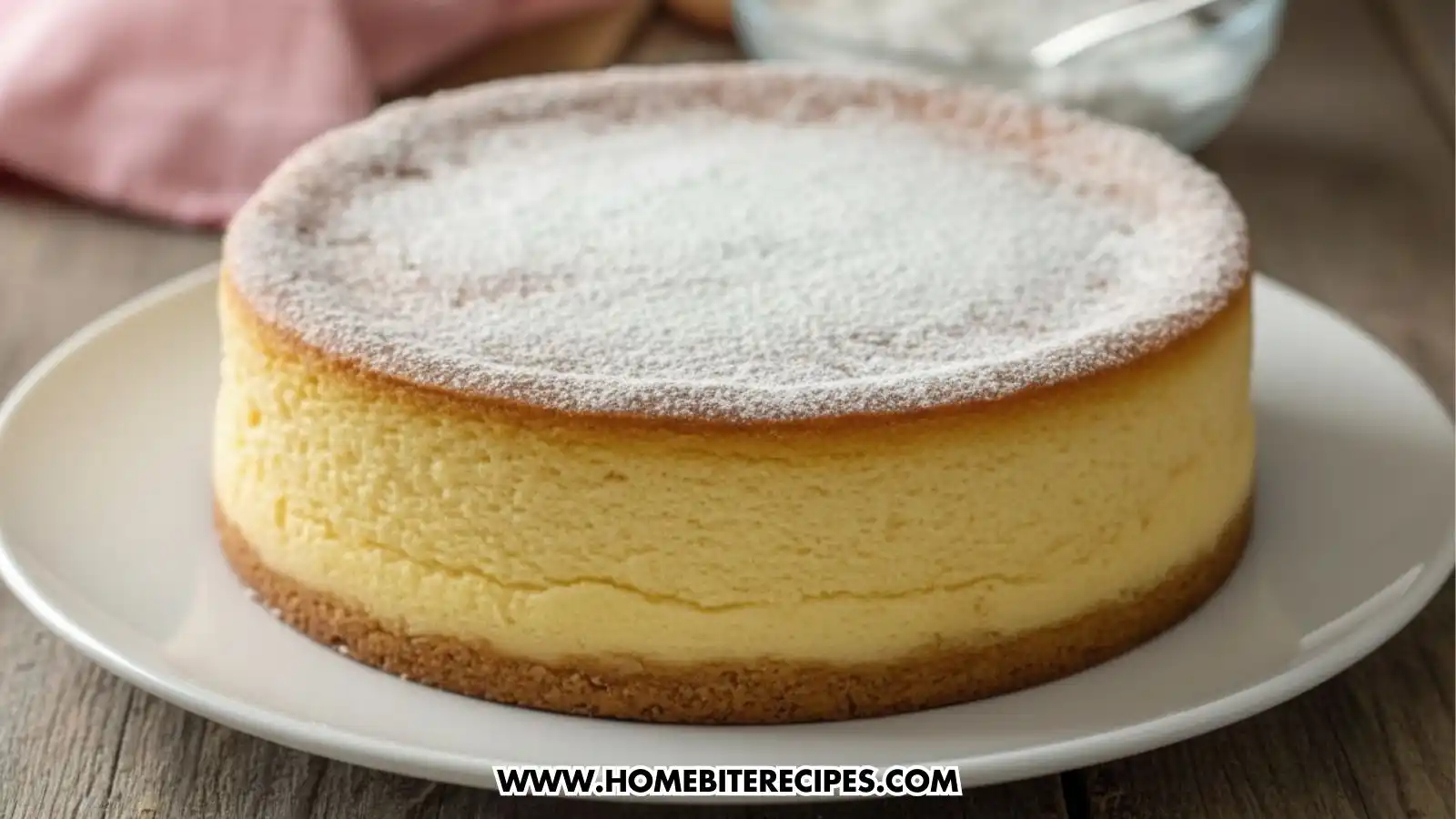
It’s also a fantastic dessert for celebrations and special occasions such as birthdays, family get-togethers, or festive meals. Its impressive rise and soft, cloud-like appearance make it a show-stopping centerpiece that looks bakery-quality while still feeling homemade.
For weekend baking projects, this cheesecake is especially satisfying. While it’s simple in ingredients, the technique makes it a rewarding bake when you have a little extra time. Serving it slightly chilled the next day allows the flavors to fully develop and makes slicing clean and effortless.
This Fluffy Japanese Cheesecake works beautifully as a light end to a meal, especially after a richer main course. Because it’s less dense than classic cheesecake, it won’t feel heavy, making it a perfect choice when you want something sweet but refined to finish the table on a gentle note.
Common Mistakes to Avoid When Making Fluffy Japanese Cheesecake
One of the most common mistakes is overmixing the batter, especially after adding the flour or folding in the egg whites. Overmixing deflates the air you worked so hard to incorporate, resulting in a dense cheesecake rather than a fluffy, soufflé-like texture.
Another frequent issue is overbeating the egg whites. Stiff peaks may work for some recipes, but Japanese cheesecake relies on soft, glossy peaks. Overbeaten whites can cause cracks on the surface and lead to an uneven rise during baking.
Skipping the water bath is a major reason cheesecakes collapse or bake unevenly. The gentle, moist heat from the water bath allows the cheesecake to rise slowly and evenly, preventing cracks, dryness, and sudden sinking.
Opening the oven door too early or exposing the cake to sudden temperature changes can also cause deflation. Always let the cheesecake cool gradually inside the turned-off oven with the door slightly open to maintain its structure and smooth top.
FAQ
1. Why did my Fluffy Japanese Cheesecake crack on top?
Cracks usually mean the oven temperature was too high or the egg whites were overbeaten. Using a water bath and maintaining soft peaks in the meringue helps prevent this.
2. Why did my cheesecake deflate after baking?
Deflation often happens due to rapid cooling. Letting the cheesecake rest in the oven with the door slightly open allows it to cool gently and hold its shape.
3. Can I make Japanese cheesecake without a water bath?
It’s not recommended. The water bath is essential for even baking and achieving the signature fluffy texture. Without it, the cake may crack or turn dense.
4. Can I use all-purpose flour instead of cake flour?
Yes, but sift it at least twice. Cake flour produces a lighter crumb, which is ideal for this recipe, but well-sifted all-purpose flour works in a pinch.
5. How do I know when my Fluffy Japanese Cheesecake is fully baked?
The center should jiggle slightly when gently shaken but should not look wet or liquid. The top should be lightly golden and the sides set.
6. Can I make this Fluffy Japanese Cheesecake ahead of time?
Yes. In fact, the flavor and texture improve after chilling overnight. It’s a great make-ahead dessert for gatherings or special occasions.
7. Can I freeze Japanese cheesecake?
Yes, it freezes well. Wrap individual slices tightly and freeze for up to two months. Thaw overnight in the refrigerator for best results.
8. What type of cream cheese is best?
Use full-fat block cream cheese. Spreadable or whipped cream cheese can affect the structure and lead to a runny batter.
9. Why is my Japanese Cheesecake dense instead of fluffy?
This usually means the meringue was either overmixed into the batter or deflated during folding. Always fold gently using a spatula to preserve air.
10. Should Japanese cheesecake be served warm or chilled?
Both work beautifully. Warm, it has a soufflé-like softness. Chilled, it becomes creamy and melt-in-your-mouth. Choose based on your preference.
This Fluffy Japanese Cheesecake is proof that the most elegant desserts don’t have to be complicated. With its soft, airy crumb and gentle sweetness, it’s the kind of cake that feels special for celebrations yet comforting enough for a quiet afternoon treat.
If you enjoy light, bakery-style desserts that melt in your mouth, you’ll also love my Chai Spiced Layer Cake with Vanilla Bean Frosting over on homebiterecipes.com. It’s another cozy, crowd-pleasing bake that’s perfect with a cup of tea or coffee. Give this Fluffy Japanese Cheesecake a try and let me know how it turns out!