
If you love fresh, crunchy, herb-packed Asian appetizers, these Vietnamese Basil Beef Rolls with Cabbage & Spicy Dipping Sauce are going to be your new favorite. Imagine juicy, caramelized strips of beef wrapped in crisp cabbage and fragrant basil leaves, then dipped into a zesty, chili-spiked fish sauce. They’re light but satisfying, bold in flavor yet easy to make, and perfect as a shareable starter, snack, or even a light meal.
Table of Contents
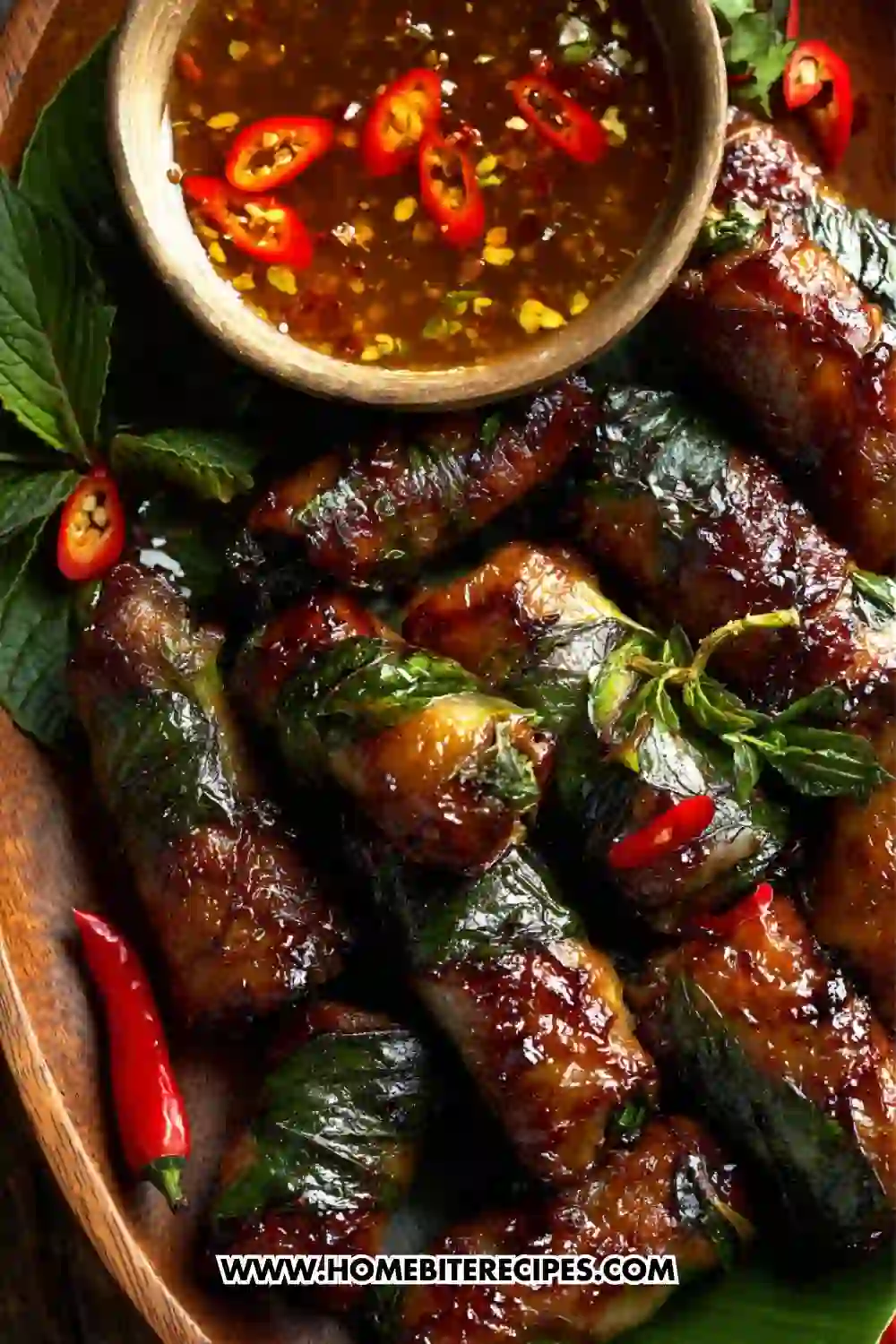
Why You’ll Love This Vietnamese Basil Beef Rolls Recipe
- Fresh, bright flavors: The combo of savory beef, crunchy cabbage, and aromatic basil screams fresh and vibrant in every bite.
- Light but satisfying: Packed with protein and veggies, these rolls feel filling without being heavy.
- Perfect finger food: Bite-sized, pretty on a platter, and easy to eat — ideal for parties, gatherings, and family dinners.
- Customizable & flexible: Swap the protein, adjust the heat, and add extra veggies to fit your taste.
- Healthy-ish & nutrient-rich: Lots of cabbage and herbs, lean beef, and a zingy dipping sauce instead of heavy cream-based dressings.
✅ This recipe is suitable For:
- Gluten-free: This recipe can be gluten-free as long as you use gluten-free soy sauce (such as tamari). The rest of the ingredients — beef, cabbage, basil, and fish sauce — are naturally gluten-free.
- Paleo-friendly: With its emphasis on protein, veggies, herbs, and a simple fish sauce-based dip, this dish fits well within a paleo approach when you ensure sauces don’t contain added non-paleo ingredients.
- Dairy-free: There is no dairy in the rolls or the dipping sauce, making this a great option for those avoiding milk and cheese.
- Low-carb / moderate-carb (with tweaks): The rolls themselves are mostly protein and vegetables. You can reduce or replace sugar in the marinade and sauce with a low-carb sweetener to better suit low-carb diets.
- Whole-food focused eaters: Fresh herbs, cabbage, lean beef, and a light sauce make this a great choice for those who prefer minimally processed ingredients.
🚫 This recipe is not suitable For:
- Vegetarian / Vegan: The recipe contains beef and fish sauce. To adapt, you’d need to replace beef with tofu or a plant-based protein and use a vegan fish sauce alternative or seasoned soy sauce instead.
- Strict low-sodium diets: Soy sauce and fish sauce are naturally high in sodium. You can use reduced-sodium versions or dilute with water, but those on very strict low-sodium plans may still need to avoid or significantly modify the dish.
- Very low-carb / keto (without modifications): While the base is largely protein and vegetables, the sugar in the marinade and dipping sauce can add carbs. Replace sugar with a keto-friendly sweetener to adjust.
- Soy-free diets: This recipe uses soy sauce. You would need to skip or substitute soy sauce with coconut aminos or another soy-free seasoning.
- Fish-allergy diets: The dipping sauce and marinade include fish sauce. For those with fish allergies, a different sauce base (like lime-garlic-sesame) would be required.
Vietnamese Basil Beef Rolls with Cabbage & Spicy Dipping Sauce (Fresh & Flavorful!)
Ingredients
For the Beef Rolls
- 500 g thinly sliced beef
- Fresh basil leaves large enough for wrapping
- 1 cup finely shredded cabbage green or napa
- 2 tbsp soy sauce
- 1 tbsp fish sauce
- 1 tbsp brown sugar
- 2 cloves garlic minced
- 1 tsp black pepper
- 1 tbsp vegetable oil
For the Spicy Dipping Sauce
- ¼ cup fish sauce
- ¼ cup water
- 2 tbsp sugar
- 1 tbsp lime juice
- 1 –2 cloves garlic minced
- 1 red chili sliced (adjust to taste)
Instructions
Prepare the Beef
- In a bowl, combine soy sauce, fish sauce, brown sugar, minced garlic, and black pepper.
- Add the thinly sliced beef and toss to coat evenly.
- Let it marinate for 20 minutes to soak up all the flavor.
Cook the Beef
- Heat vegetable oil in a skillet over medium-high heat.
- Add the marinated beef in a single layer (cook in batches if needed).
- Sear quickly for 2–3 minutes per side until cooked through and caramelized at the edges.
- Remove from heat and let slightly cool.
Prepare the Cabbage
- Rinse and finely shred the cabbage.
- Pat dry with a clean towel or paper towel to remove excess moisture (this keeps the rolls crisp).
Assemble the Rolls
- Lay a large basil leaf flat on a board or plate.
- Place a small handful of shredded cabbage at the base of the leaf.
- Add a piece or strip of cooked beef on top of the cabbage.
- Roll tightly, tucking in the sides if you can.
- Secure with a toothpick if needed, especially for serving on a platter.
Make the Spicy Dipping Sauce
- In a small bowl, combine fish sauce, water, sugar, and lime juice.
- Stir until the sugar dissolves.
- Add minced garlic and sliced red chili and mix again.
- Taste and adjust lime, sugar, or chili to your liking.
Serve
- Arrange the basil beef rolls on a serving platter.
- Garnish with extra chili slices or herbs.
- Serve with the spicy dipping sauce on the side for dipping.
Notes
Tips
- Use very thinly sliced beef so it cooks quickly and stays tender.
- Don’t skip the marinade rest time — it builds depth of flavor.
- Dry the cabbage well to keep the rolls crunchy instead of soggy.
- If your basil leaves are small, wrap beef and cabbage in two leaves overlapped.
Variations
- Use napa cabbage for a softer, milder crunch or green cabbage for extra crispness.
- Add shredded carrots or cucumber for more color and texture.
- Swap beef for chicken, turkey, or firm tofu for a twist.
- Adjust the heat level by adding more or less chili in the dipping sauce.
Storage
- Best Served Fresh: For optimal crunch and herb freshness, enjoy soon after assembling.
- Fridge: Store cooked beef and shredded cabbage separately in airtight containers for up to 2 days.
- Reheating Beef: Quickly reheat beef in a skillet before assembling rolls so it’s warm and juicy.
- Assembled Rolls: If you must store them, keep covered in the fridge for a few hours max; note that cabbage will soften.
What to Serve with this Vietnamese Basil Beef Rolls
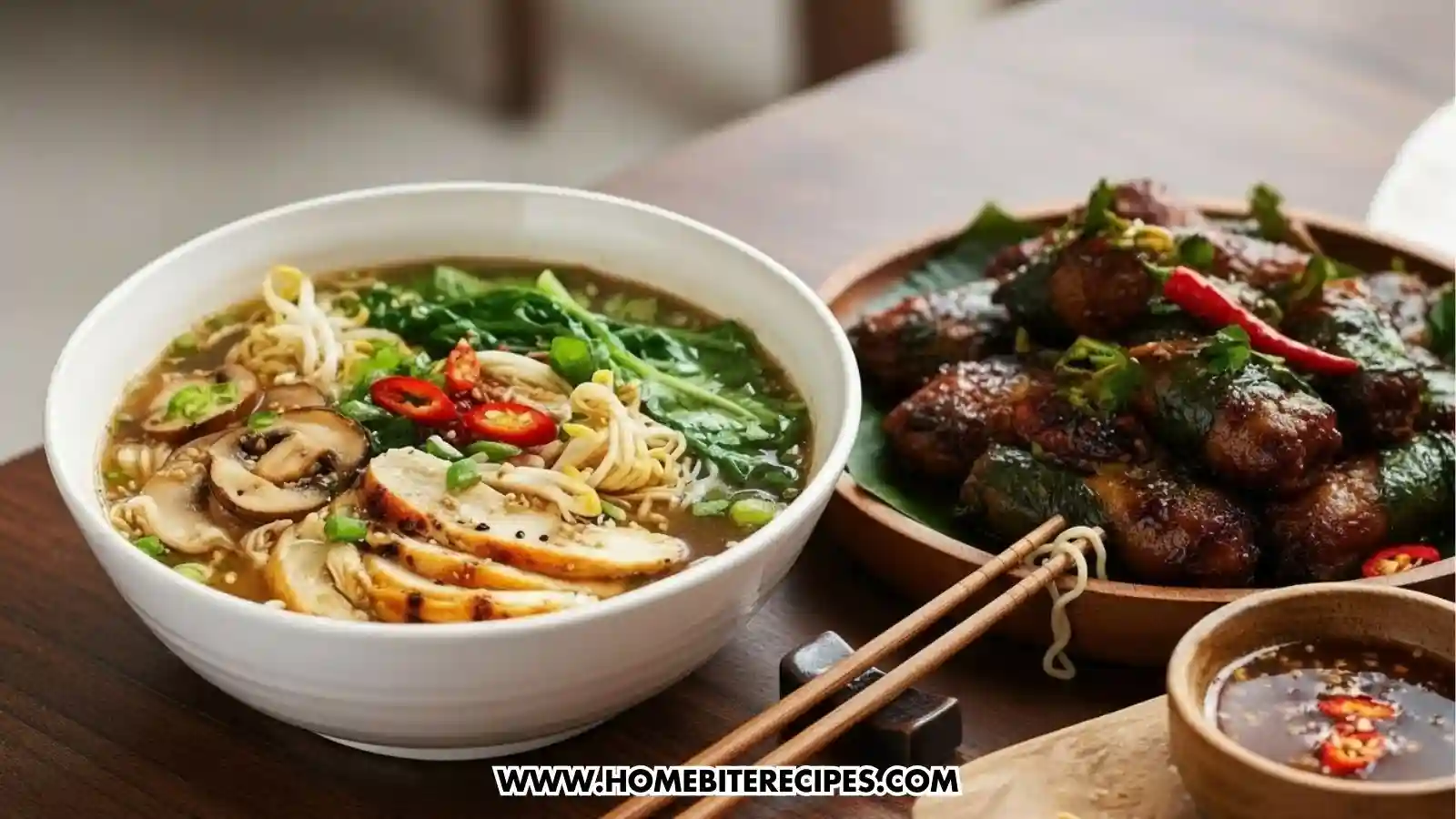
These Vietnamese Basil Beef Rolls pair beautifully with a bowl of steamed jasmine rice. The rice helps soak up any extra dipping sauce and turns this appetizer into a more complete meal, especially if you’re serving it family-style in the center of the table. The fragrance of jasmine rice also complements the herbal notes of basil and the savory beef.
For a lighter, more refreshing pairing, serve the Vietnamese Basil Beef Rolls alongside a fresh herb salad. Toss mint, cilantro, cucumber, and shredded carrots with a light lime dressing for a crunchy, colorful side. This enhances the brightness and freshness of the rolls and keeps the whole meal vibrant and balanced.
If you’d like a noodle component, rice vermicelli noodles are an excellent choice. Serve them chilled or at room temperature with a drizzle of a simple fish sauce dressing. The noodles add a satisfying base without overpowering the delicate flavors of the Vietnamese Basil Beef Rolls.
Another great complement is a small plate of pickled vegetables, like carrot, daikon, or cucumber. Their tangy, slightly sweet flavor provides contrast to the savory beef and aromatic basil, creating a more layered and interesting eating experience.
Common Mistakes to Avoid When Making Vietnamese Basil Beef Rolls
Using old or wilted basil: Fresh, vibrant basil is key to these rolls. Limp or discolored leaves won’t wrap as nicely and will lack that signature aroma. Always choose firm, bright green leaves.
Overstuffing the Vietnamese Basil Beef Rolls : It’s tempting to pack in lots of beef and cabbage, but overfilling makes rolling difficult and can cause the rolls to split or fall apart. Use modest amounts and roll firmly but gently.
Not drying the cabbage properly: Excess water in shredded cabbage can seep into the rolls, making them soggy and diluting the flavor. After rinsing, dry thoroughly with a towel.
Skipping the dipping sauce: The spicy fish sauce dip isn’t just an extra — it’s a central part of the flavor. Without it, the rolls will taste incomplete and less vibrant.
Overcooking the beef: Thin beef slices cook very quickly. If you leave them too long, they become tough and chewy. Sear only until browned and just cooked through.
Under-seasoning the marinade: The beef needs a flavorful marinade with soy sauce, fish sauce, sugar, garlic, and pepper to shine. Taste the marinade before adding the beef (adjusting sugar/salt) if possible.
Using too much oil: When cooking the beef, only a small amount of oil is needed. Too much makes the beef greasy and heavy, which can overpower the fresh elements.
Skipping the rest time for the marinade: Marinating for less than 15–20 minutes reduces flavor penetration. Give the beef time to soak up the seasonings.
Not slicing the beef thinly enough: Thick slices won’t caramelize quickly and will be harder to roll. Ask your butcher for thin slices or partially freeze the beef before slicing at home.
Not letting the Vietnamese Basil Beef Rolls chill briefly (optional): Letting the assembled rolls sit in the fridge for 10–15 minutes can help the flavors meld and give the cabbage a slightly firmer bite, especially if serving as a party platter.
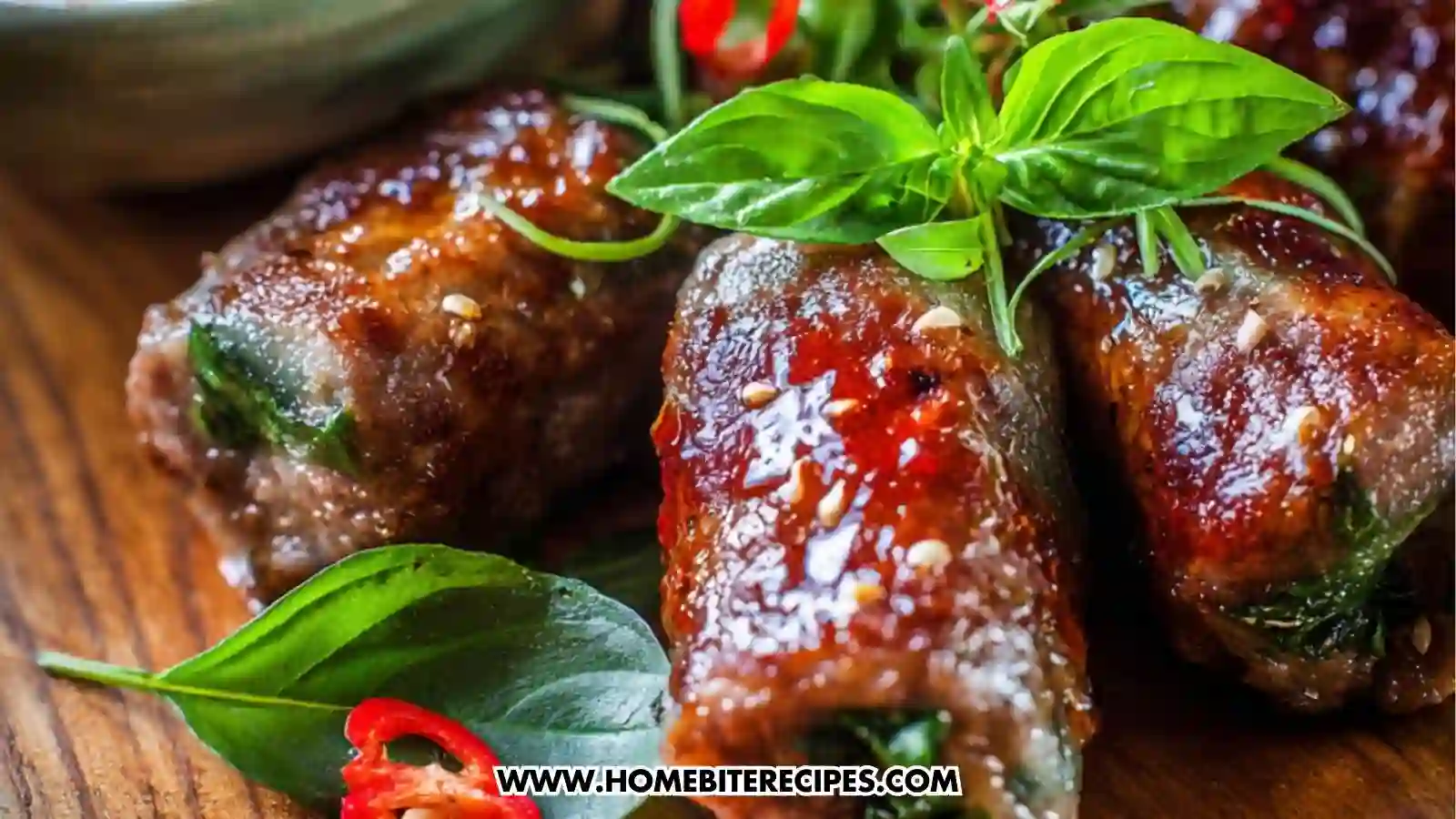
FAQ
1. Can I make these Vietnamese basil beef rolls ahead of time?
You can prep the components in advance, but it’s best to assemble the rolls just before serving. Cook the beef, shred and dry the cabbage, and make the dipping sauce up to a day ahead. Keep everything refrigerated separately. When ready to serve, quickly warm the beef, then assemble with fresh basil and cabbage so the rolls stay crisp and vibrant.
2. Can I use other types of meat instead of beef?
Yes, this recipe is quite flexible. Thinly sliced chicken breast or turkey work well. Just marinate and cook them the same way, adjusting the cooking time so they cook through without drying. For a vegetarian twist, use firm tofu, pressed and sliced, then pan-seared in the same marinade (swap fish sauce with soy sauce or tamari).
3. What if I don’t have fresh basil leaves?
Fresh basil is ideal for the aromatic, herbaceous flavor. If you can, use Thai basil for an extra authentic touch. If basil isn’t available, you can substitute with lettuce leaves or perilla leaves for wrapping. The flavor will be milder, but still fresh and tasty. Avoid dried basil — it doesn’t provide the same texture or aroma.
4. How spicy is the dipping sauce, and can I adjust it?
The dipping sauce gets its heat primarily from the sliced red chili. It’s easy to customize:
- For mild heat: use only a few thin slices or remove the seeds.
- For stronger heat: use more chili, a hotter variety, or stir in a little chili paste.
You can also serve extra chili on the side so everyone can personalize their own dipping bowl.
5. Can I freeze these Vietnamese Basil Beef Rolls?
Freezing is not recommended. The fresh cabbage and basil will lose their crispness and become soft and watery once thawed. If you need to plan ahead, freeze only the cooked beef if necessary, and prepare the cabbage and basil fresh when you’re ready to assemble.
6. How do I keep the rolls from falling apart?
Make sure not to overstuff the rolls and use large, sturdy basil leaves. Rolling tightly and securing with a toothpick can help if you’re serving them on a big platter. Also, ensure the beef strips are not too large or bulky for the leaf size.
7. Can I serve these Vietnamese Basil Beef Rolls as a main dish instead of an appetizer?
Definitely. To make them more of a meal, serve the basil beef rolls with steamed jasmine rice or rice vermicelli noodles and a side of fresh vegetables or herb salad. You can also increase the portion size by serving more rolls per person.
8. What type of beef is best for this Vietnamese Basil Beef Rolls recipe?
Look for thinly sliced beef such as sirloin, flank steak, or even hot-pot / shabu-shabu style beef slices. These cuts cook quickly and stay tender. Avoid very tough cuts unless they’re sliced very thin and marinated a bit longer.
9. Can I make the dipping sauce less salty?
Yes. The dipping sauce is fish sauce-based, so it’s naturally salty. To reduce saltiness, add a bit more water and lime juice, and balance with a touch more sugar. You can also use a light or low-sodium fish sauce if available.
10. How should I store leftovers?
If you have leftover components, store the beef, cabbage, and sauce separately in airtight containers in the fridge. The beef will keep for up to 2 days. Reheat the beef briefly in a pan, then assemble fresh rolls as needed. Assembled rolls are best eaten the same day, as the cabbage and basil will soften over time.
I hope these Vietnamese Basil Beef Rolls with Cabbage & Spicy Dipping Sauce bring a burst of freshness and excitement to your table. They’re crunchy, juicy, herbaceous, and full of that classic sweet-salty-tangy Vietnamese flavor profile we all love. Whether you serve them as a party appetizer, a light lunch, or part of a bigger Asian-inspired spread, they’re sure to impress. If you give this recipe a try, I’d love to hear your thoughts in the comments.
If you enjoyed these bright and crunchy Vietnamese Basil Beef Rolls, you’ll also love our comforting Healthy Chicken Ramen Noodle Soup. It’s warm, nourishing, and full of layered flavors—making it the perfect cozy companion to these fresh, vibrant rolls. Head over to the recipe and treat yourself to a wholesome, flavor-packed meal that comes together with ease!