
This Cranberry Orange Bread is bursting with tart cranberries, sweet citrus, and a buttery golden crumb that makes every slice feel like sunshine. Whether you’re baking for a cozy winter morning, a holiday brunch, or gifting a homemade loaf, this recipe is as easy as it is delicious — and guaranteed to brighten your table!
Table of Contents
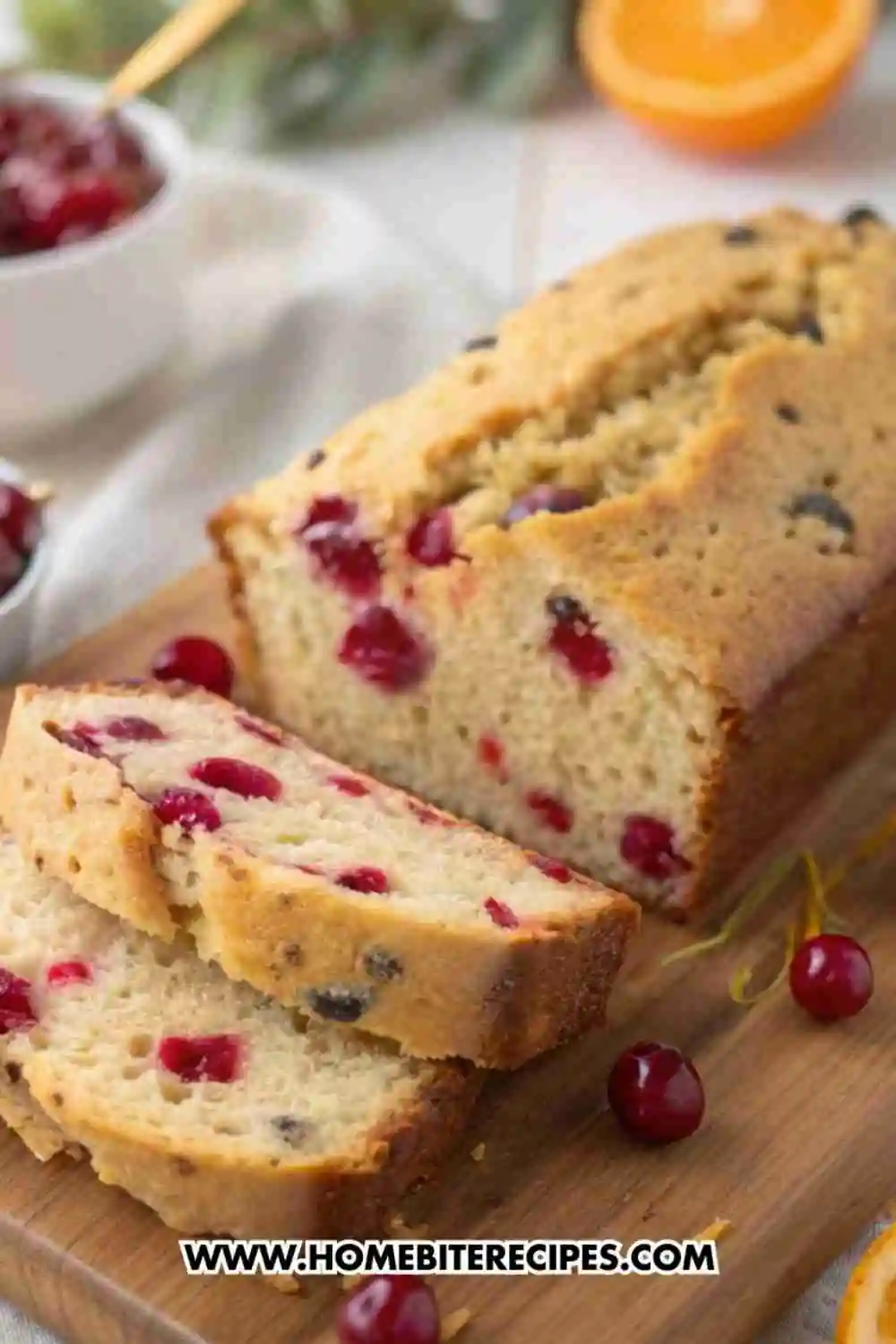
Why You’ll Love This Cranberry Orange Bread
- Easy one-bowl recipe – perfect for beginners and busy bakers alike.
- Bright citrus flavor – orange zest and juice make it refreshingly sweet.
- Moist and buttery crumb – soft inside, golden on the outside.
- Festive & giftable – ideal for holidays and brunches.
- Freezer-friendly – bake ahead and enjoy anytime.
✅ This recipe is suitable For:
- Vegetarian
- Nut-free option (if nuts are omitted)
- Soy-free
- Alcohol-free
- Kid-friendly
- Freezer-friendly
🚫 This recipe is not suitable For:
- Low-carb / keto diets
- Gluten-free diets (unless modified)
- Vegan diets
- Dairy-free diets (unless modified)
- Nut-free diets (if nuts are added)
- Sugar-free diets
Cranberry Orange Bread – Moist, Sweet, and Perfectly Zesty!
Ingredients
Dry Ingredients:
- 2 cups all-purpose flour
- 1 tsp baking powder
- ½ tsp baking soda
- ½ tsp salt
Wet Ingredients:
- ½ cup unsalted butter softened
- 1 cup granulated sugar
- 2 large eggs
- 1 tbsp orange zest from 1 large orange
- ¾ cup fresh orange juice
- 1 tsp vanilla extract
Add-ins:
- 1 ½ cups fresh or frozen cranberries
- ½ cup chopped nuts optional – walnuts or pecans
- 1 tbsp flour for tossing cranberries
Instructions
- Preheat Oven – Set oven to 350°F (175°C). Grease or line a 9×5-inch loaf pan with parchment paper.
- Mix Dry Ingredients – In a medium bowl, whisk together flour, baking powder, baking soda, and salt.
- Cream Butter & Sugar – In a large bowl, beat butter and sugar until light and fluffy (2–3 minutes).
- Add Eggs & Flavoring – Beat in eggs one at a time, then mix in orange zest, orange juice, and vanilla.
- Combine – Gradually add dry ingredients, stirring just until combined.
- Fold in Cranberries – Toss cranberries with 1 tbsp flour, then gently fold into the batter along with nuts if using.
- Bake – Pour batter into loaf pan. Bake for 50–60 minutes, or until a toothpick inserted in the center comes out clean.
- Cool & Serve – Let cool in the pan for 10 minutes, then transfer to a wire rack to cool completely. Slice and enjoy!
Notes
Tips & Variations
Pro Tips: Use fresh orange juice and zest for the best flavor. Don’t overmix — stir only until combined for a tender crumb. If using frozen cranberries, add them straight from the freezer. Variations: Glazed Version: Mix ½ cup powdered sugar with 1–2 tbsp orange juice and drizzle over the cooled loaf. Cranberry Orange Muffins: Bake at 375°F for 18–22 minutes. Chocolate Chip Twist: Add ½ cup mini chocolate chips for a fun variation.Storage
Room Temp: 2–3 days Fridge: Up to 1 week Freezer: Up to 3 months (wrap slices individually)Perfect Pairings: What to Serve with this Cranberry Orange Bread
Cranberry Orange Bread pairs beautifully with a warm, comforting beverage. A hot cup of black tea, chamomile tea, or spiced chai enhances the citrusy aroma and gently balances the tartness of the cranberries. The contrast between the warm drink and the moist slice of bread creates a cozy, satisfying treat.
This Cranberry Orange Bread also complements simple dairy-based sides. Serving it with a dollop of plain yogurt or a lightly sweetened vanilla yogurt creates a creamy contrast that softens the tanginess of the cranberries. The combination feels indulgent yet balanced.
For a more complete brunch experience, pair the loaf with fresh fruit. Orange slices, berries, or apple wedges echo the citrus notes while adding freshness to the plate. It makes the bread feel part of a full and wholesome morning spread.
If you’re serving this Cranberry Orange Bread for a holiday breakfast or afternoon tea, it goes incredibly well with savory items such as scrambled eggs, herb omelettes, or roasted nuts. These savory flavors help balance the sweetness of the loaf, making the entire meal feel well-rounded and festive.
Common Mistakes to Avoid
Using too much orange juice: Adding extra liquid makes the batter too wet, leading to a dense, gummy loaf instead of a soft crumb. Always measure the juice accurately.
Overmixing the batter: Mixing aggressively develops too much gluten. This results in a tough, dense bread. Stir only until the dry ingredients disappear.
Skipping the cranberry coating: Tossing cranberries in flour prevents them from sinking to the bottom. Without this step, the loaf will bake unevenly.
Not softening the butter properly: Butter that is too cold or melted affects the creaming process, preventing the loaf from achieving the right rise and texture. It should be soft but not greasy.
Opening the oven door too early: This causes temperature drops that make the bread collapse in the center. Check only after at least 45 minutes.
Using frozen cranberries incorrectly: If using frozen berries, do NOT thaw them. Thawed cranberries bleed too much juice, discolor the batter, and affect the texture.
Incorrect loaf pan size: Using a pan that is too small causes overflow; a larger pan makes the bread too thin and dry. Stick to a 9×5-inch loaf pan.
Not testing doneness properly: Cranberry pieces can create wet pockets. Test with a toothpick inserted in the center and check for moist crumbs, not wet batter.
Skipping parchment paper: Without lining or greasing properly, the loaf can stick and tear when unmolded.
Cutting too early: Slicing while warm causes crumbling and breaks the loaf. Allow full cooling for clean, neat slices.
FAQ
1. Can I use frozen cranberries instead of fresh ones?
Yes, frozen cranberries work perfectly. The key is to use them straight from the freezer—do not thaw them. Thawing causes the berries to release excess moisture, which can discolor the batter and create wet pockets inside the loaf. Tossing frozen berries in a little flour helps keep them evenly distributed throughout the bread, preventing them from sinking to the bottom.
2. Can I reduce the sugar in this Cranberry Orange Bread?
You can reduce the sugar by about ¼ cup without significantly affecting the texture. Keep in mind that sugar doesn’t just sweeten the loaf; it also adds moisture and helps create a tender crumb. Reducing it too much may make the bread more dense or allow the natural tartness of cranberries to overpower the flavor, so balance is important.
3. Can I replace the butter with oil?
Yes, you can substitute melted butter with an equal amount of neutral oil such as vegetable or canola oil. Oil-based loaves tend to be moister and slightly denser, while butter gives a richer flavor and a more classic cake-like texture. Either option works depending on your preference.
4. What can I use instead of orange juice?
If you don’t have orange juice, you can substitute it with lemon juice mixed with a little water, or use store-bought orange nectar. Note that lemon juice will make the loaf more tart and slightly less sweet. Orange juice is ideal because it enhances the citrusy aroma and sweetness.
5. How do I keep the Cranberry Orange Bread from turning out dry?
Dry cranberry bread is usually the result of overbaking or using too much flour. Always measure flour using the spoon-and-level method to avoid packing it tightly. Bake just until a toothpick comes out with a few moist crumbs. Also, avoid cutting the bread too soon, as moisture needs time to settle inside the loaf.
6. Can I make this Cranberry Orange Bread gluten-free?
Yes, you can replace the regular flour with a 1:1 gluten-free baking blend. Choose one that contains binders like xanthan gum for the best structure. The loaf may turn out slightly more delicate, so allow it to cool fully before slicing to avoid crumbling.
7. Why did my cranberries sink to the bottom?
This usually happens when the batter is too thin or the cranberries were not coated in flour. Tossing the berries in a tablespoon of flour helps them stay suspended in the batter. Ensuring your batter is thick enough—neither runny nor overly loose—also prevents sinking.
8. Can I add a glaze on top?
Absolutely. A glaze enhances both flavor and presentation. A simple blend of powdered sugar and orange juice creates a bright, citrusy icing that complements the loaf beautifully. Allow the bread to cool completely before glazing so it sits nicely on the surface instead of melting into the crust.
9. Can I make the loaf ahead of time?
Yes. In fact, this cranberry orange bread tastes even better the next day because the flavors deepen as it rests. You can bake it 24 hours ahead, wrap it tightly in plastic wrap, and store it at room temperature. It also freezes well, making it perfect for holiday prep.
10. How should I store or freeze leftovers?
Store the loaf in an airtight container at room temperature for 2–3 days, or refrigerate it for up to 5 days for extended freshness. To freeze, wrap the loaf (or individual slices) in plastic wrap and then place it in a freezer-safe bag. It will keep well for up to 3 months. Thaw slices at room temperature or warm them gently before serving for the best texture.
This Cranberry Orange Bread is the ultimate blend of sweet, tart, and buttery goodness — perfect for sharing or savoring with a warm cup of coffee. If you’re a fan of cozy, fruit-filled desserts, try my Skillet Apple Crisp with Vanilla Ice Cream – Cozy Fall Dessert! next — it’s another warm, comforting favorite that’ll make your kitchen smell amazing!